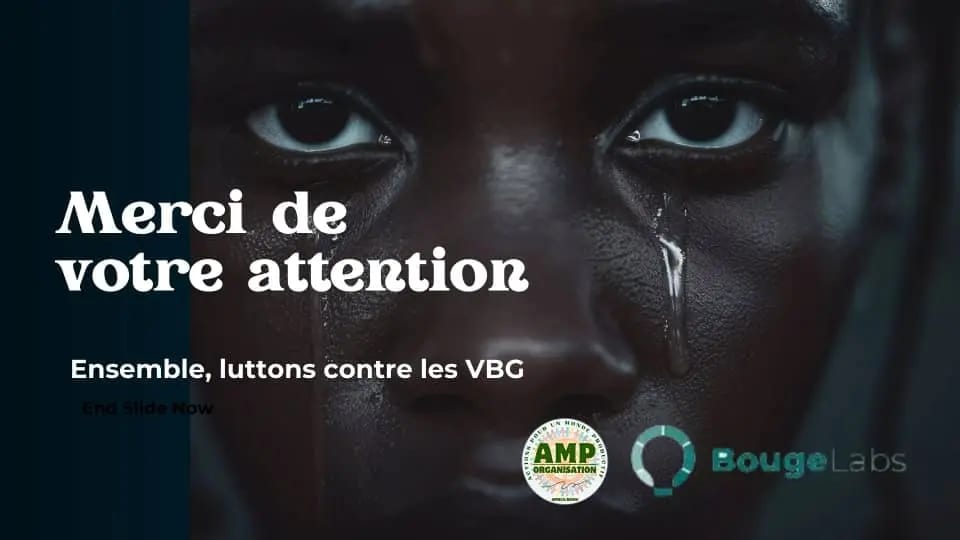
Introduction: a global and local challenge
Every 10 December, the world celebrates Human Rights Day, a reminder that every individual deserves to live in safety, freedom and dignity. Yet in the digital age, new forms of violence are emerging that particularly affect women and girls. Digital gender-based violence (GBV) — whether harassment, identity theft or the sharing of private content — is a serious threat to victims' integrity, freedom and dignity.
In Benin, this violence is multiplying on social networks, in messaging apps and in digital work environments, affecting the personal, academic and professional lives of young women. Human Rights Day reminds us that protection against this violence is a fundamental right and a collective responsibility.
1. Understanding digital GBV to fight it better
Digital GBV covers all forms of gender-based aggression that take place through technological tools. It takes many forms:
- sexist and misogynistic insults,
- non-consensual sharing of intimate images,
- threats or attempted blackmail,
- identity theft,
- pornographic deepfakes,
- manipulation of images or voices using AI,
- mass harassment orchestrated in comments or groups.
These acts, sometimes trivialised, can have serious consequences: depression, isolation, anxiety, job loss, family breakdown, even suicide.
These are not "mere virtual attacks". They are violence, and they deserve a collective response.

2. A shared responsibility: everyone has a role to play
The fight against digital GBV does not rest solely on victims, who already carry the emotional burden of what they endure. It involves society as a whole.
a) Individual responsibility: every Internet user has power
- Do not share humiliating content.
- Do not like or comment on violent content.
- Systematically report abusive posts or accounts.
- Support victims instead of blaming them.
- Encourage a culture of respect and consent online.
Every gesture, however discreet, helps curb the spread of violence.
b) Community responsibility: our digital spaces must be safe
- Actively moderate violent remarks.
- Ban sexist behaviour.
- Create welcoming and tolerant environments.
A healthy digital space is not built by chance: it is built through clear rules and exemplary behaviour.
c) Institutional and educational responsibility
- Raise awareness of the risks of cyberbullying.
- Train people in safe digital use.
- Teach empathy, respect and digital consent.
Education is an essential pillar for preventing violence in a hyperconnected world.
d) The responsibility of digital platforms
- Improve reporting tools.
- Strengthen moderation.
- Quickly remove malicious content.
- Prevent the risks linked to deepfakes and AI.
- Better protect vulnerable accounts.
Technology must be a tool of emancipation, not oppression.
3. Together, we can transform the digital space
The fight against digital GBV is not an isolated battle. It is a collective commitment, an exercise in solidarity, a moral and social responsibility.
Protecting one targeted person means protecting a whole community. Saying NO to violence means saying YES to a more humane, more respectful and safer digital space.
Conclusion
Digital GBV will not disappear as long as we let it happen. But when everyone acts at their own level — by reporting, supporting, educating, holding to account and moderating — digital spaces become safer for everyone, and especially for women and girls.
Every click counts: sharing respectful content contributes to a safe environment; spreading abusive content makes violence worse.
Behind every screen, there is a life to protect.
On Human Rights Day, let us remember that digital rights are human rights. Together, let us build a safe, inclusive and respectful Internet for everyone.