Faced with the rise of disinformation and its consequences for social cohesion, AMP BÉNIN organised, as part of the MyCountry229 project run with DG Partners ONG and ABCA, a focus group dedicated to developing the strategies and drafting methods for a community advocacy plan. Community leaders, young people and civil society actors co-designed adapted strategies, with a view to a document addressed to public decision-makers and institutional partners.
Key figures
- 4 forms of disinformation mapped
- 5+ community strategies proposed
- 1 advocacy plan being drafted
- 4 categories of stakeholders mobilised
A context marked by the proliferation of disinformation
In the digital age, people are exposed every day to a considerable amount of information spread through social networks, digital platforms, online chat groups and traditional communication channels. While these tools make information easier to access, they also encourage the rapid spread of inaccurate, misleading or manipulated content.
Disinformation is today a major challenge for communities. It can breed distrust of institutions, fuel social tensions, undermine development efforts and negatively influence individual and collective behaviour.
"In some contexts, disinformation is an aggravating factor of vulnerability, limiting people's access to reliable and verified information."
A participatory approach rooted in realities on the ground
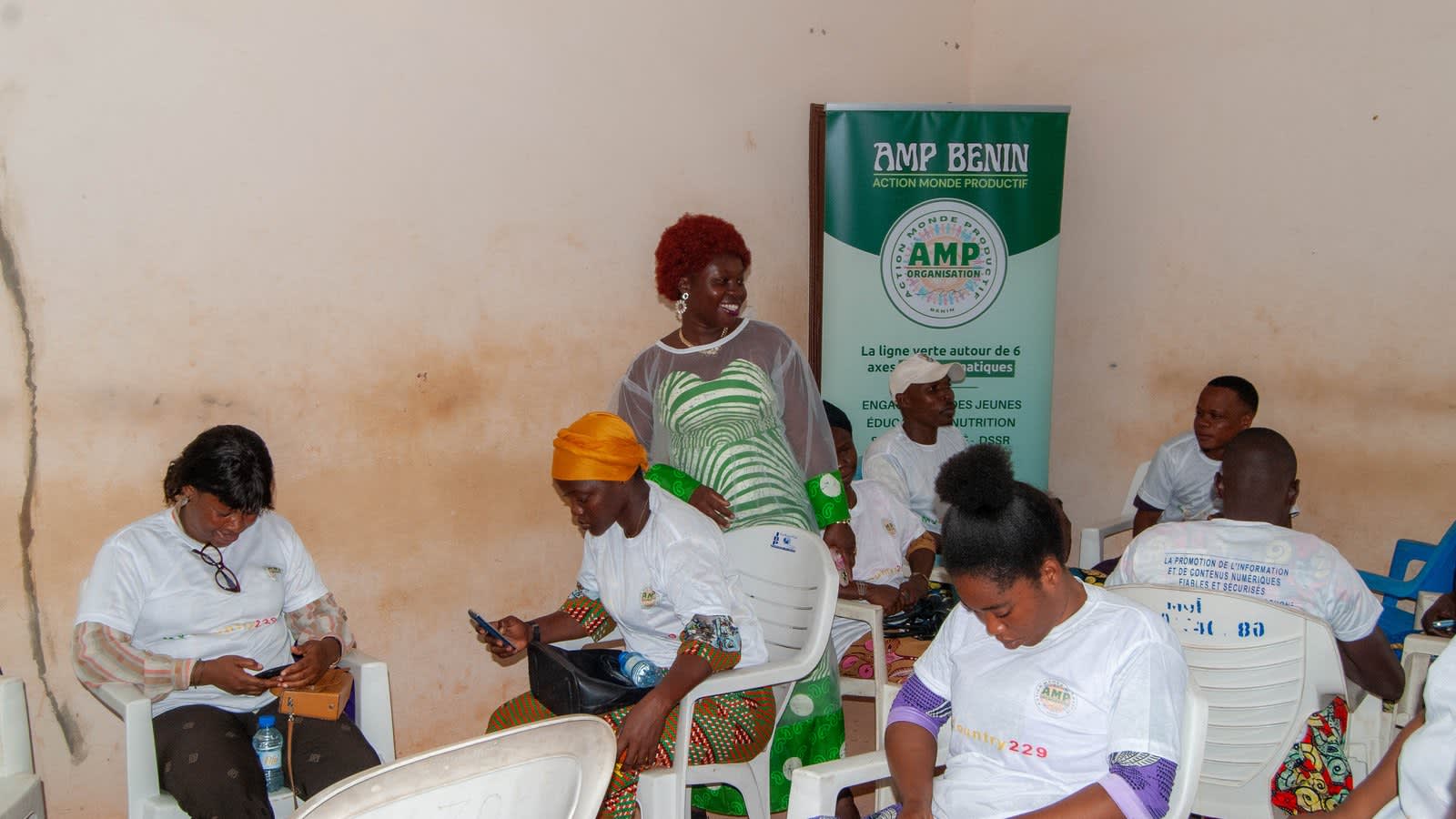
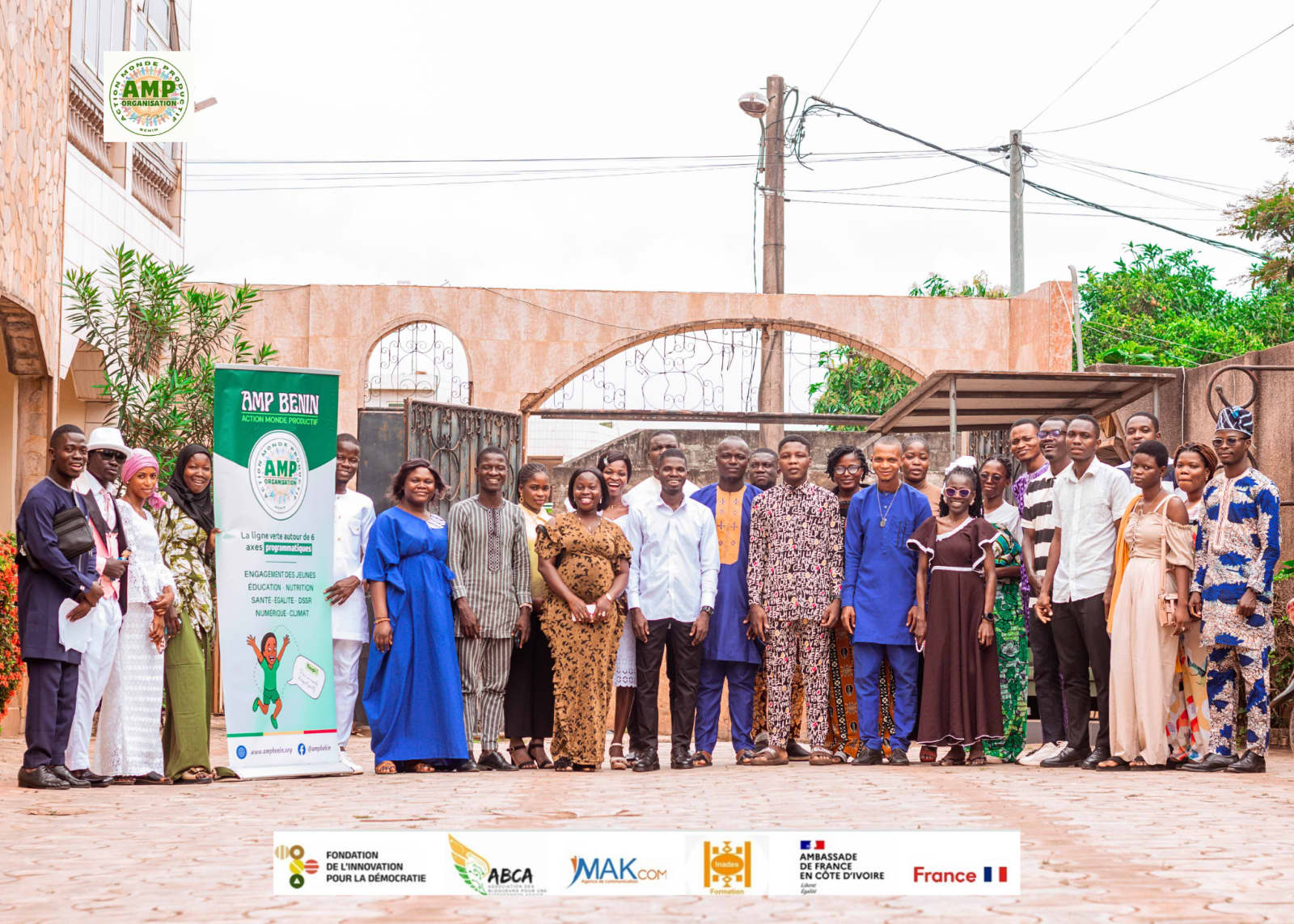
The focus group brought together community leaders, young people, civil society actors, community relays and other local stakeholders: a privileged setting for exchange, reflection and co-design around the issues linked to the circulation of false information.
It placed communities at the heart of the reflection process. The discussions highlighted several forms of disinformation observed, as well as the factors that encourage their spread.
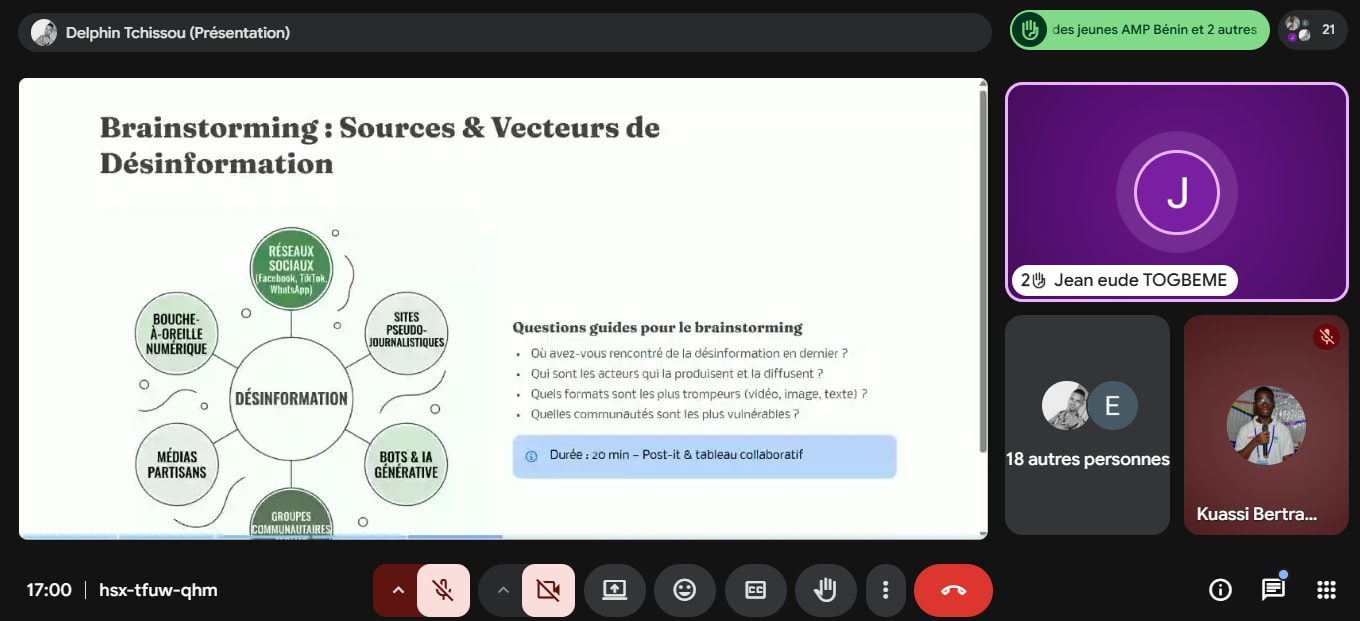
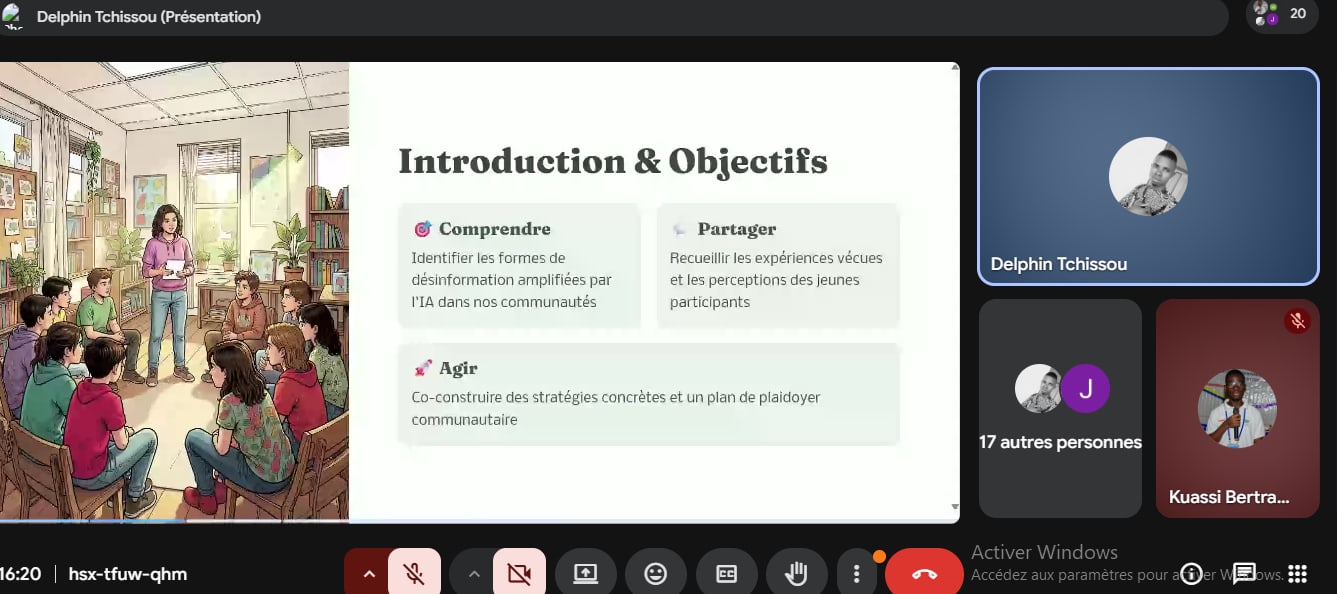
Participatory workshop identifying the forms of disinformation observed in local communities
The four forms of disinformation identified in communities
- Local rumours: relayed at community level, often amplified by informal word-of-mouth networks.
- Digital false information: erroneous content spread via social networks, WhatsApp groups and digital platforms.
- Manipulated content: information intentionally manipulated or falsified to mislead or exploit.
- Out-of-context information: real data taken out of its original context, or interpreted in an erroneous and misleading way.
Developing community strategies to resist disinformation
Beyond identifying the problems, the focus group led to an in-depth reflection on the responses needed to strengthen communities' resistance to false information. The discussions resulted in several courses of action:
- Community awareness campaigns: increase the frequency and reach of information actions at local level.
- Involving opinion leaders: mobilise influential figures as prevention relays in their networks.
- Media and information literacy (MIL): develop critical skills in the face of digital content.
- Local alert and verification mechanisms: set up community fact-checking and reporting systems.
- Multi-stakeholder collaboration: strengthen synergies between civil society organisations, local authorities, the media and community actors.
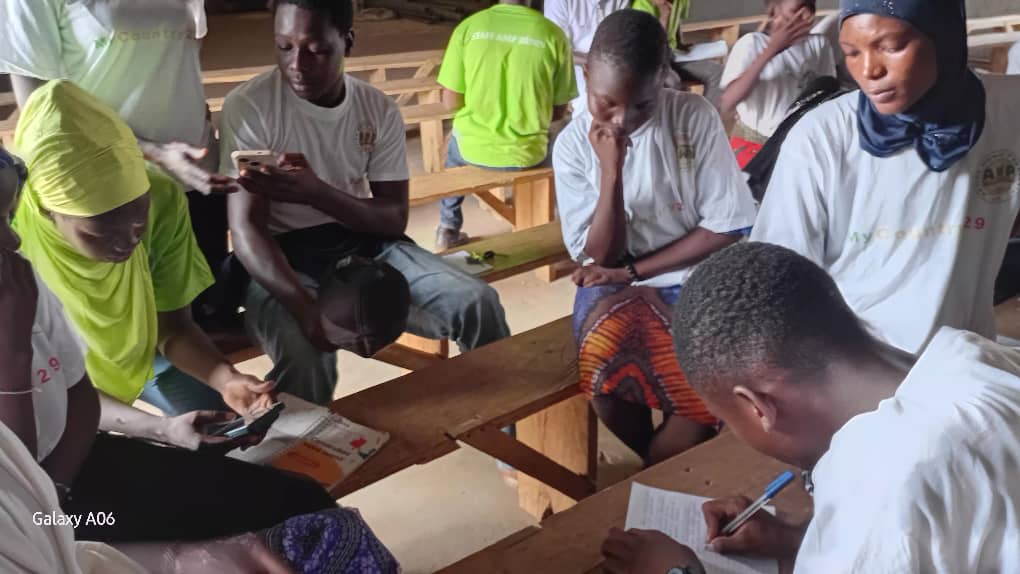
Co-design session on the strategies and orientations of the community advocacy plan
The foundations of the community advocacy plan
One of the main results of this activity is the definition of the strategic orientations that will guide the drafting of a community advocacy plan. This document will carry communities' concerns and recommendations to public decision-makers, institutional partners and the actors involved in information governance.
- Media education: promote the integration of media education measures into local and national policies.
- Capacity building: support community actors in building their skills to face information challenges.
- Access to reliable information: improve people's access to verified, quality sources of information.
- Support for local initiatives: encourage and fund grassroots initiatives against disinformation.
AMP BÉNIN, a constant commitment to resilient communities
By organising this focus group, AMP BÉNIN reaffirms its commitment to responsible information, civic participation and the development of communities able to face today's information challenges.
This initiative reflects the organisation's will to create inclusive spaces for dialogue, where citizens actively contribute to identifying the problems that concern them and to finding lasting solutions.
By strengthening the capacities of local actors and fostering strategies adapted to community realities, AMP BÉNIN is helping to build a digital space that serves development and social cohesion in Benin and French-speaking West Africa.
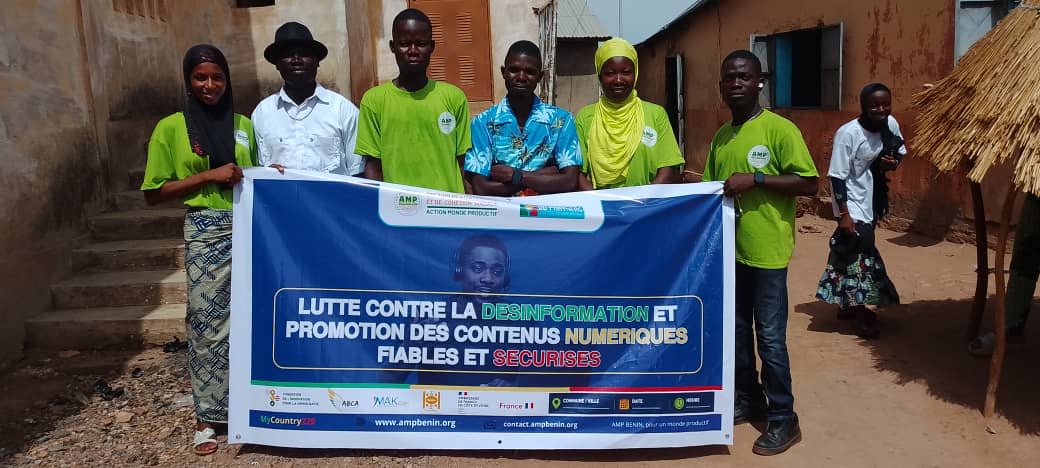
Read also: Gogounou: young people mobilised against disinformation.
Initiative: AMP BÉNIN, DG Partners ONG, ABCA — MyCountry229 project.