MyCountry229: checking before sharing is already taking action.
At a time when a piece of information can travel around a community in a few seconds, knowing how to recognise it, check it and share it responsibly has become a genuine civic issue.
On social networks, in chat groups and online communities, content circulates at full speed. An image taken out of context, an old video presented as recent, an alarming message or information attributed to a false source: all of this can be picked up and shared before anyone questions whether it is true.
The rise of artificial intelligence tools adds a new dimension to this phenomenon. Creating or altering digital content is becoming ever more accessible, sometimes making it hard to tell authentic information from manipulated content and misleading posts.
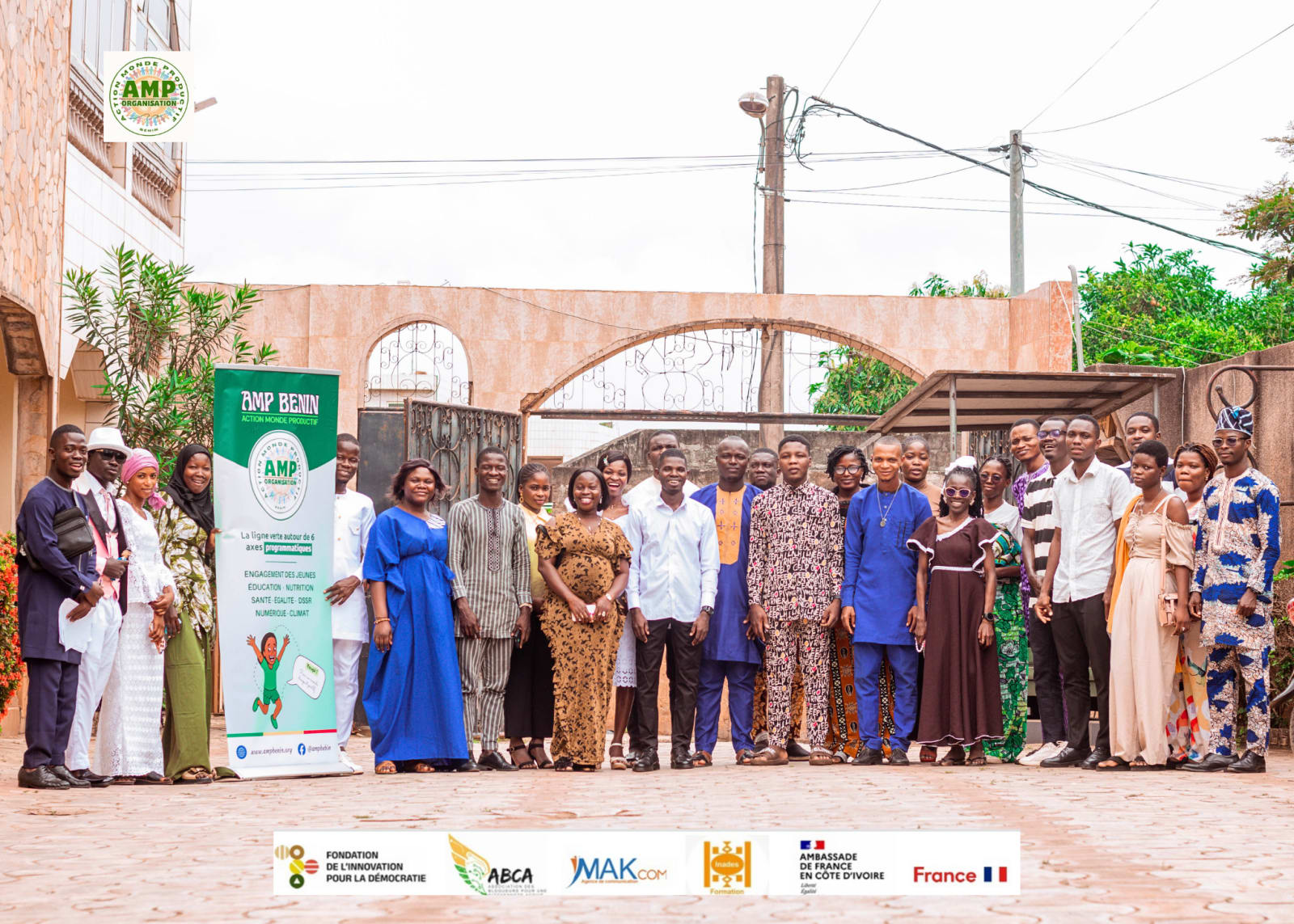
It is in this context that the MyCountry229 – Young Ambassadors for Reliable Information project was implemented from 11 August to 5 September 2026, led by AMP BÉNIN – Action Monde Productif, with the support of the Association of Bloggers for Active Citizenship (ABCA).
The ambition: to equip young people and communities so that they are no longer just consumers of information, but become actors themselves, able to check, raise awareness and promote responsible information.
The project at a glance
Mobilising young people to change habits around information
MyCountry229 was built on a simple conviction: the fight against disinformation cannot rest solely on media professionals or fact-checking specialists. Every digital user can play a role in the quality of the information circulating around them.
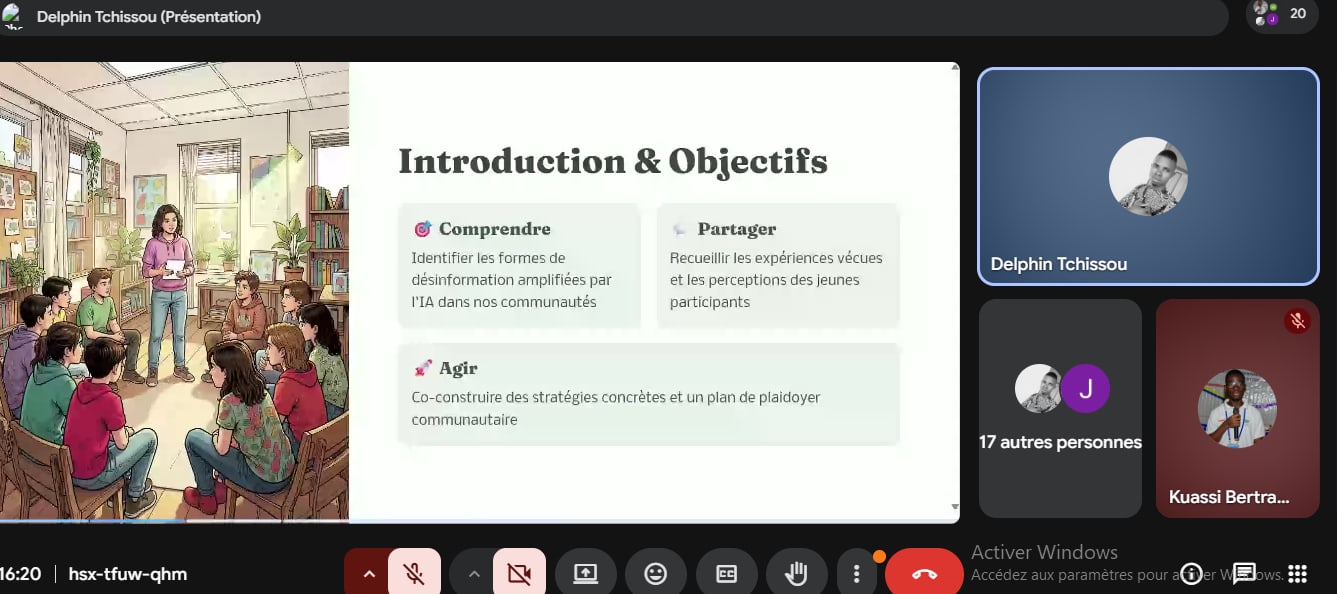
During the online campaign, the volunteers were gradually introduced to the main reflexes for dealing better with disinformation: understanding why false information circulates, identifying content that seeks to provoke an emotional reaction, checking a source, an author or a date, examining the context of an image or a video, and above all taking the time to check before sharing.
The approach did not stop at passing on knowledge. Volunteers were invited to put what they had learned into practice and pass it on in their own communities — turning the campaign into a genuine dissemination network.
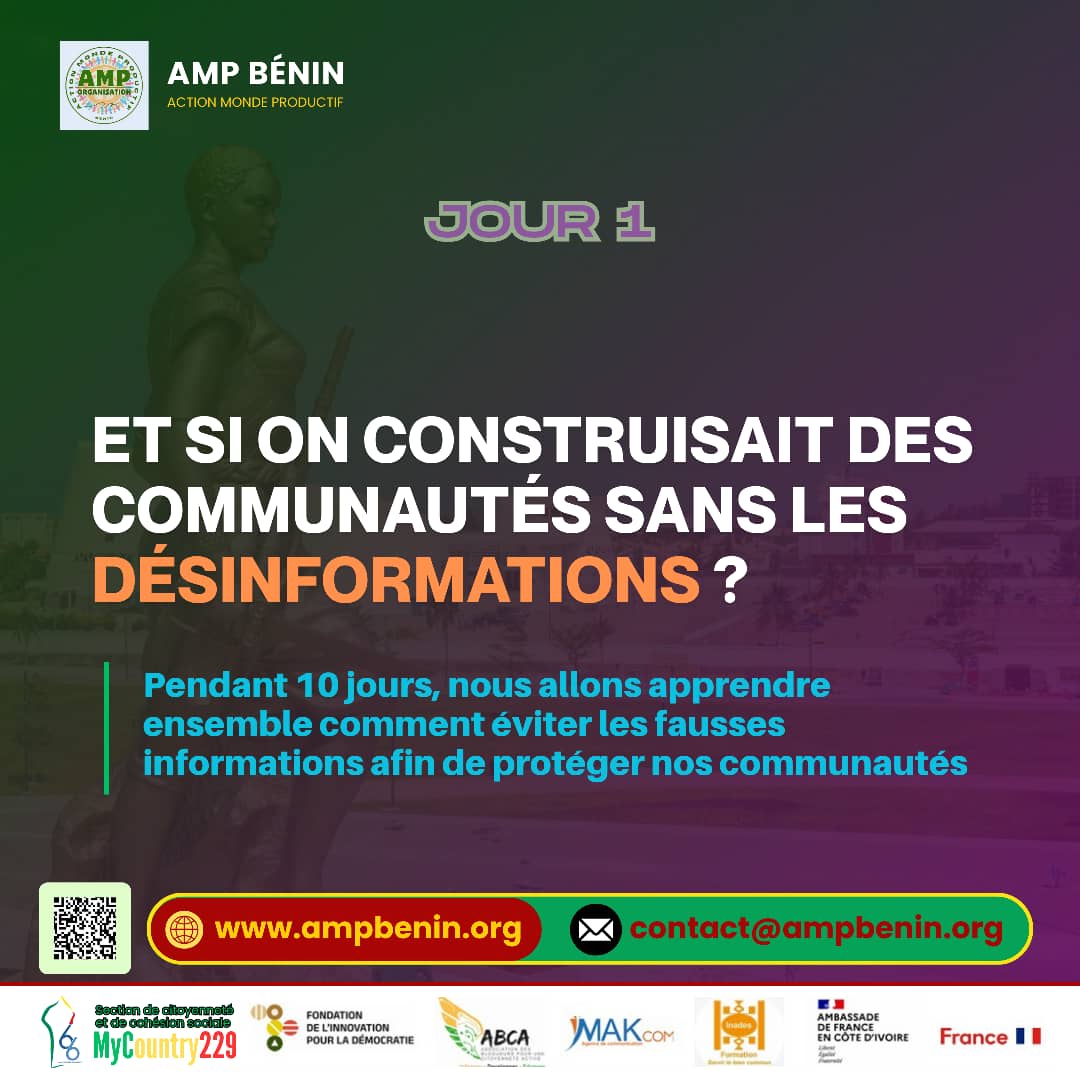
Ten days to learn not to share too fast
The digital campaign was designed as a progressive journey, leading the young volunteers to look differently at the content they come across every day.
It was not simply about saying "beware of fake news", but about building concrete reflexes:
- Is information true because it is widely shared? No.
- Is an image reliable simply because it looks authentic? Not necessarily.
- Does a video always show the whole reality? Not always.
- Is a headline enough to understand a piece of information? Again, no.
The campaign thus covered several dimensions of verification: the source, the author, the date, the context, images, videos, links and cross-checking with other sources. Fact-checking was built into the training modules, with a practical approach and support from professionals.
From digital to the field: going out to meet communities
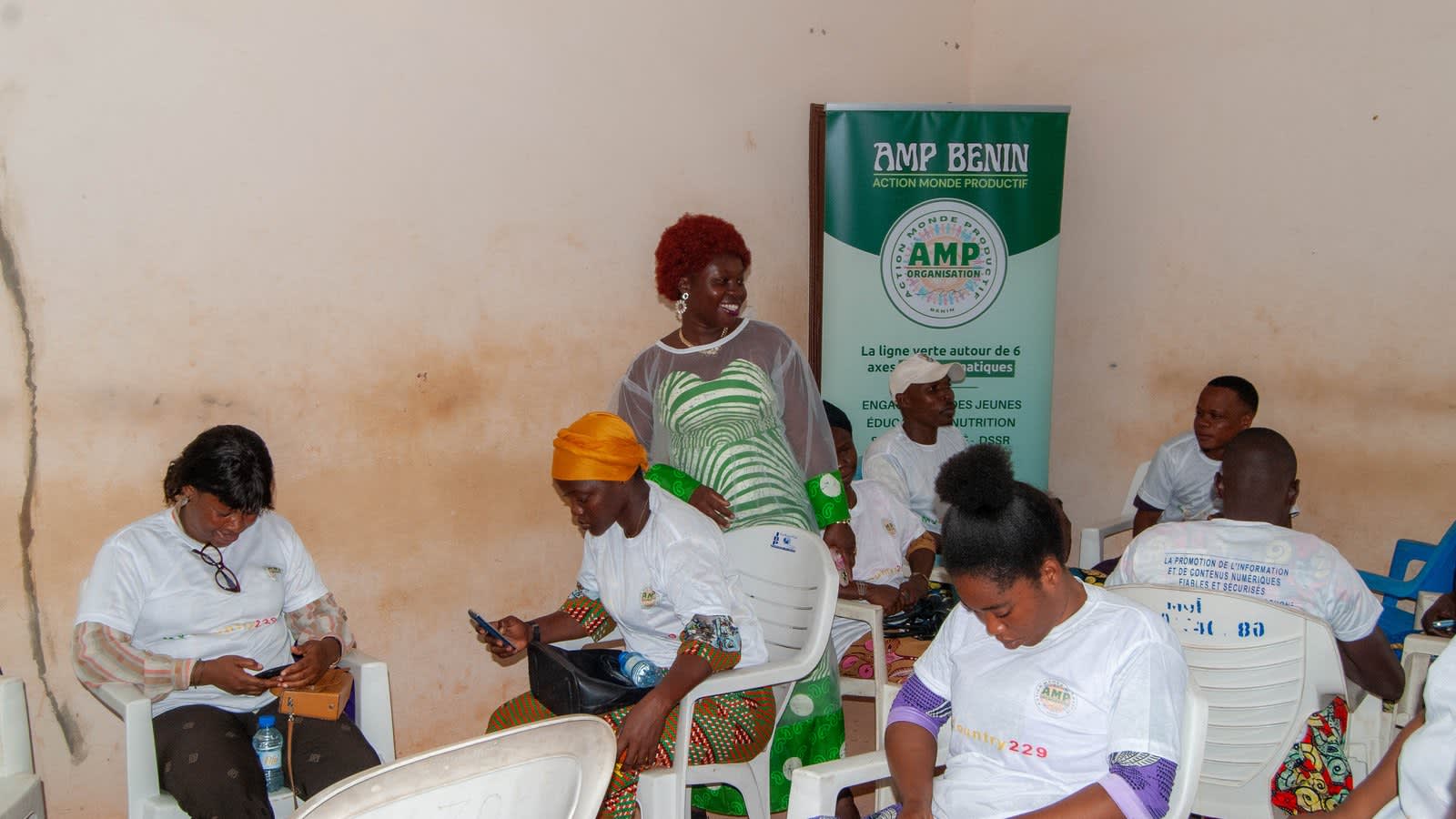
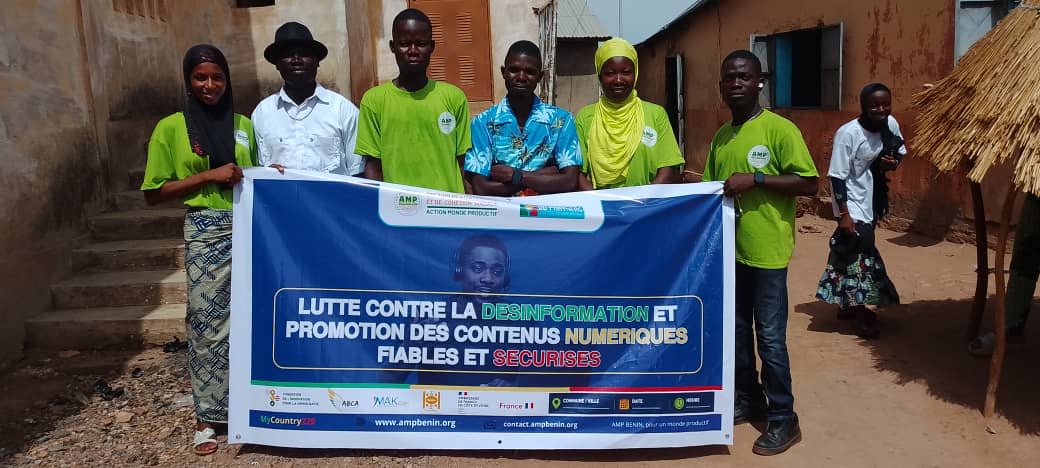
Lastingly changing habits around information could not be limited to screens. After the digital campaign, MyCountry229 went out to meet communities to extend the learning, encourage exchanges and adapt the messages to local realities.
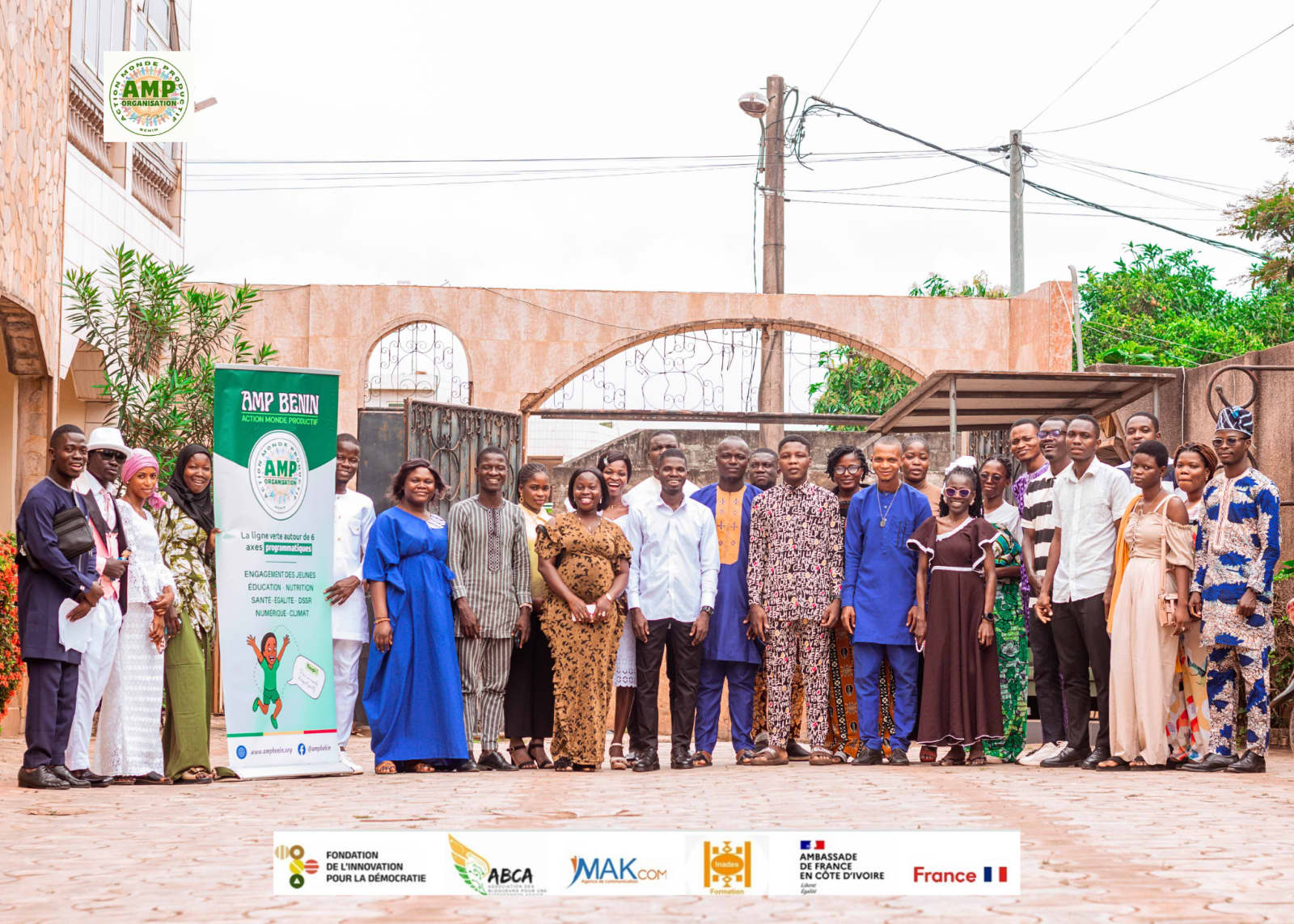
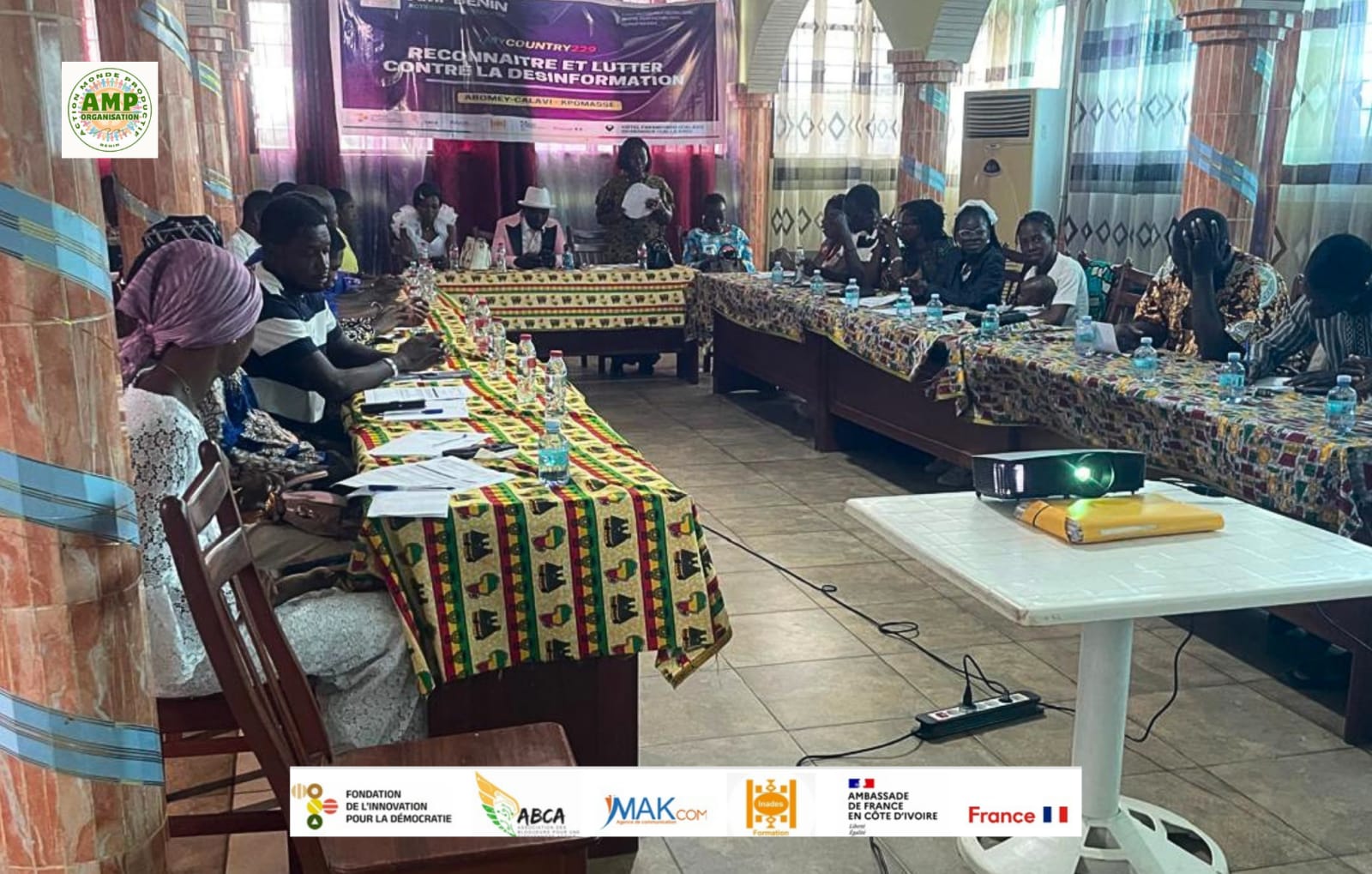
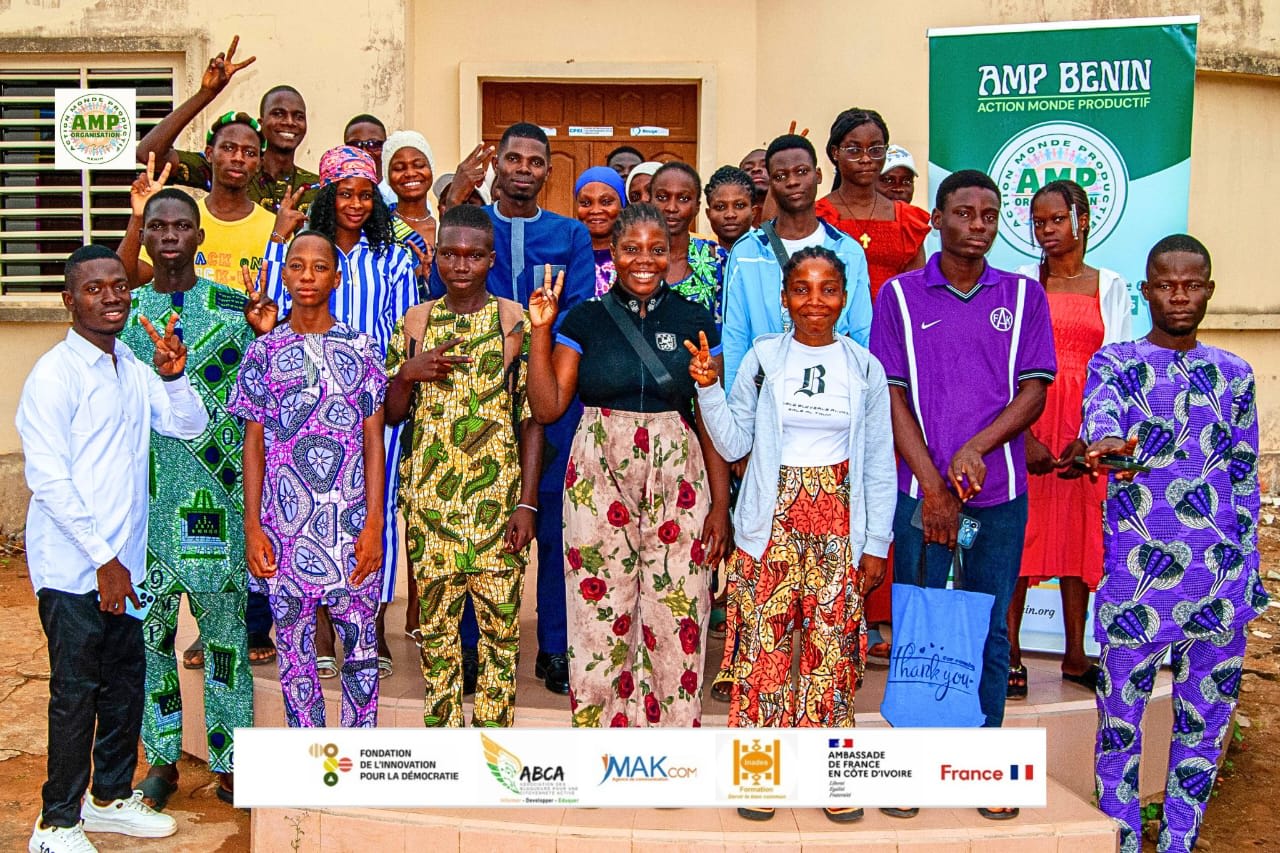
Three community activities were organised in Abomey-Calavi, Kpomassè and Ouidah, bringing together 110 participants in total.
In Abomey-Calavi, deepening verification reflexes
On 29 August 2026, the MyCountry229 team met participants at the Hôtel Paramondo to discuss the issues surrounding disinformation in the age of artificial intelligence. The meeting revisited the essential reflexes — questioning the source, checking the author and the date, looking for the context of an image or a video — and brought together a wide range of profiles: young people, community organisations, the media and local actors, notably during a round table with civil society organisations, media and local decision-makers.
For Innocent Gbenonchi, a project volunteer, the experience was a turning point:
"Above all, this experience taught me that being connected and sharing information quickly is not enough. You have to take the time to check, question the source and understand the context before passing information on to those around you."
In Kpomassè, talking about verification in the communities' own languages
On 31 August 2026, the campaign continued in Kpomassè, in the Sègbohouè district. This stage took on a particular dimension with the discussions adapted to local languages and realities — a choice made so that the messages could travel beyond the training venue, into families, villages and hamlets.
This approach responds to a simple observation: an awareness campaign only has a real effect when people can understand the messages, make them their own and pass them on in their own environment.
For Tossou Aubiege, a participant in this activity:
"I was above all pleasantly surprised to see that the session was adapted and explained in the local language. It allowed everyone to understand the messages better and to pass them on easily to those around them."
In communities where information circulates quickly from person to person, strengthening verification skills also becomes a way of reducing the risk of misunderstandings, tensions and conflicts linked to false or unverified information.
In Ouidah, raising awareness among those building tomorrow's digital world
The third stage took place on 2 September 2026 in Ouidah, at BougeLabs, a space dedicated to digital training and skills development. The meeting brought together young people from a variety of fields — graphic design, web development, photography, programming, incubation — invited to reflect on their responsibility as digital actors.
In an environment where artificial intelligence makes it easy to produce and alter texts, images, sounds and videos, mastering the tools must go hand in hand with a culture of verification. The collaboration with BougeLabs, the project's technical partner, anchored this activity in a partnership with local digital actors.
Three territories, one shared ambition
From Abomey-Calavi to Kpomassè, by way of Ouidah, the activities took different forms but pursued the same ambition: strengthening citizens' capacity to deal with disinformation.
- In Calavi, the exchanges deepened verification reflexes and brought different actors together around the issue.
- In Kpomassè, the use of local languages showed the importance of adapting messages to make them easier to take on board.
- In Ouidah, the meeting with young digital talents focused on the responsibility of those who create the content that will shape tomorrow's information environment.
This complementarity between digital mobilisation and community outreach is one of MyCountry229's strengths.
A campaign that ends, a commitment that continues
At the end of the project, the aim was not to count posts or participants, but to foster a new attitude towards information: no longer sharing automatically, but taking the time to check.
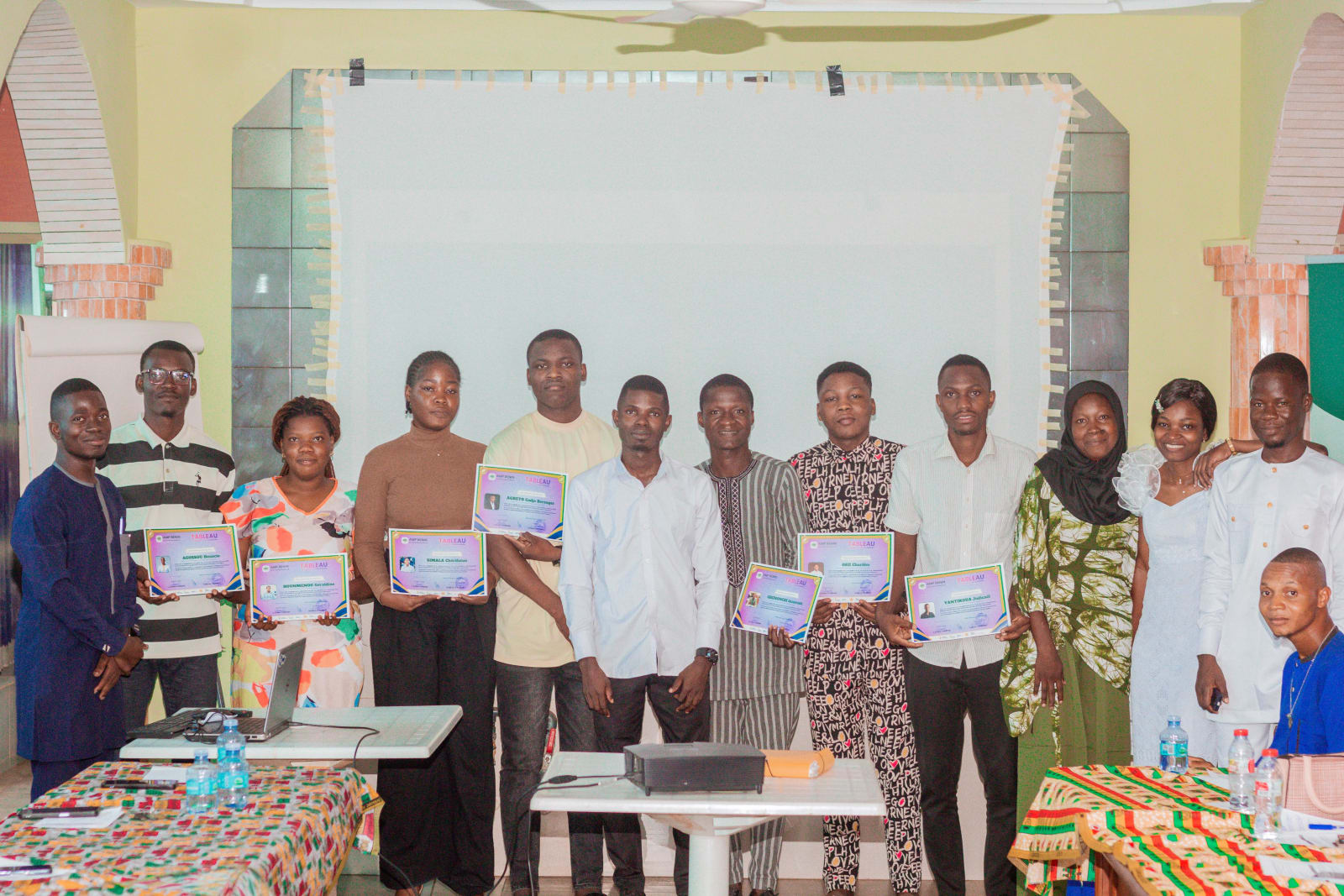
These young people are no longer mere beneficiaries of an awareness campaign. They are called on to become relays of good practice, able to pass on the reflexes acquired during the project.
The project's true success may lie in a much simpler gesture: stopping for a few seconds before sharing information.
- Check the source.
- Look at the date.
- Look for the context.
- Compare with other sources.
- Question what you see.
- And when the information is not reliable, do not help spread it.
This is the culture MyCountry229 hopes to embed lastingly in the practices of young people and communities, because in a world where artificial intelligence makes content creation ever more accessible, knowing how to check information is becoming an essential civic skill.
A better-informed young person can raise awareness in their family. A better-informed family can protect its community. A more vigilant community can contribute to a better-informed society.
That is the whole purpose of the Network of Young Ambassadors for Reliable Information, which AMP BÉNIN intends to consolidate with its partners beyond this first experience.
MyCountry229: checking before sharing is already taking action.
Key figures
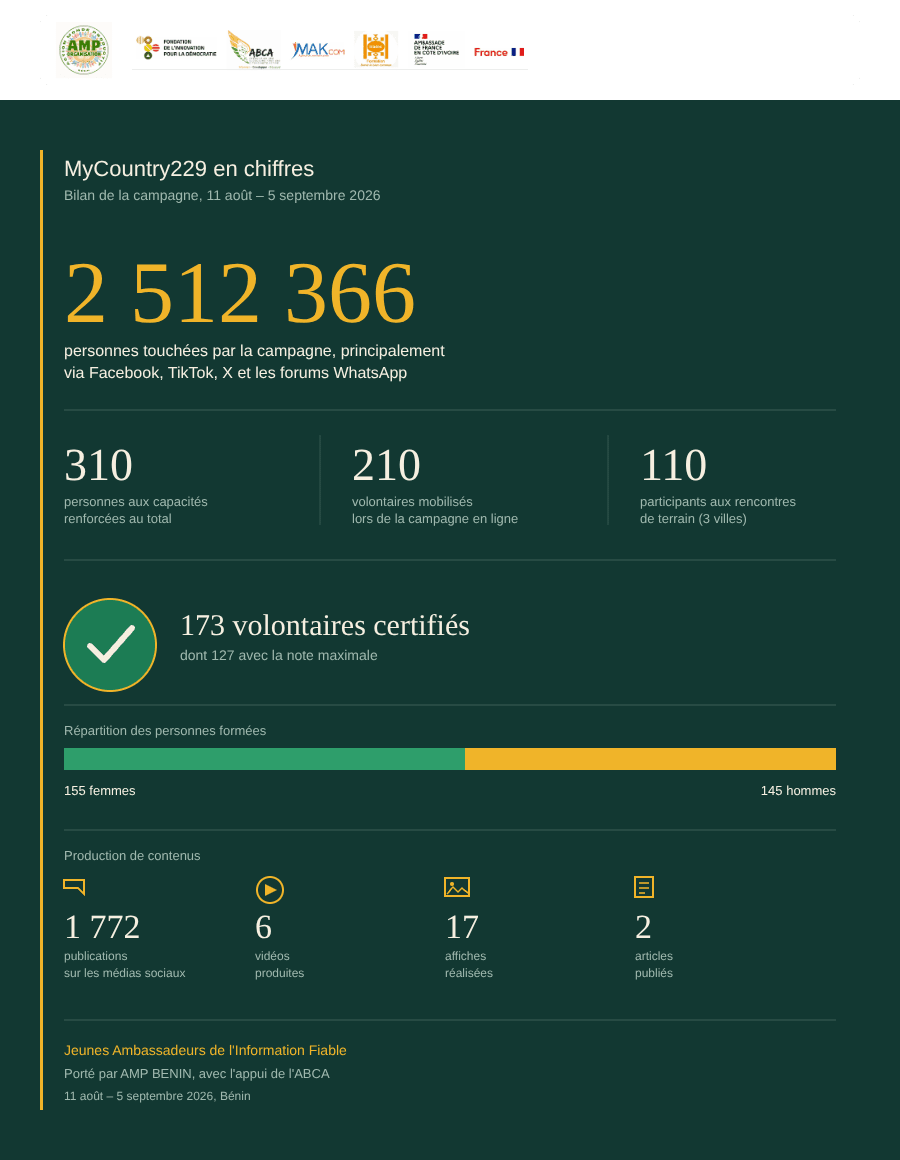
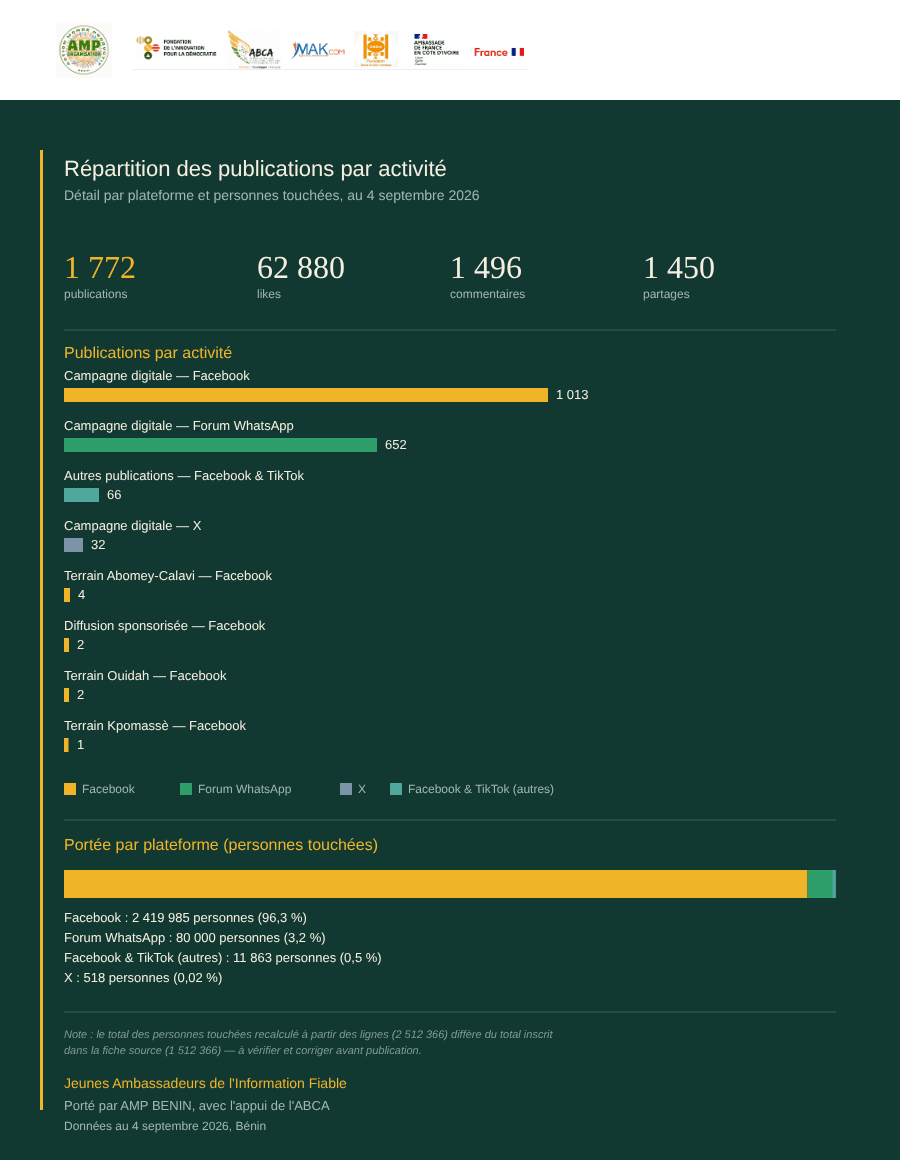
- 2,512,366 people reached
- 310 people trained
- 210 volunteers mobilised (online campaign)
- 110 participants in field activities
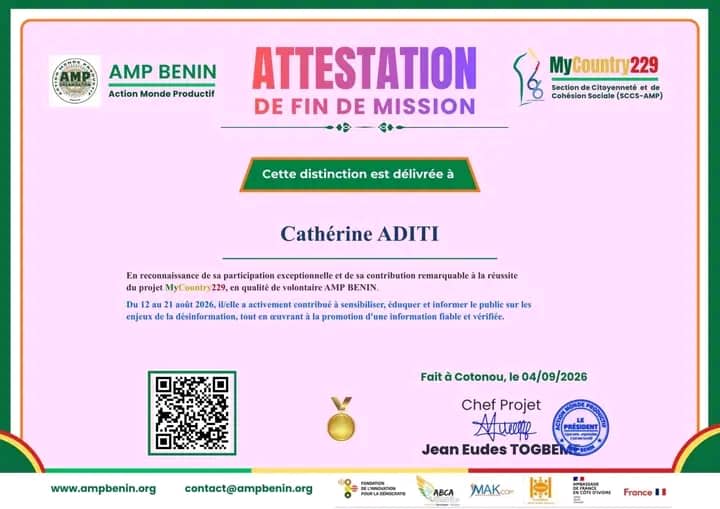
- 173 volunteers certified
- 127 volunteers with the top score
- 1,772 social media posts
- 6 videos produced
- 17 posters created
- 2 articles published